Commercial Moves in South Kensington
Reliable business relocation support for a busy and valuable part of London

If you are planning Commercial Moves in South Kensington, you already know this is not the kind of move you want to leave to chance. South Kensington is home to elegant period buildings, busy museum areas, thriving hospitality venues, professional offices, embassies, medical practices, galleries, educational spaces, and specialist retail units. That mix makes moving here a very different task from a standard house move. It means tighter access, more coordination with building management, more careful handling of equipment, and more attention to timings, loading restrictions, and the day-to-day reality of a working neighbourhood.
Businesses in and around South Kensington often operate in spaces where access is limited and reputation matters. A clinic may need a quiet, discreet relocation plan. A small office may need desks, IT equipment, filing cabinets, and confidential documents moved with minimal interruption. A restaurant or café may need stock, furniture, and appliances shifted outside opening hours. A gallery or showroom may require careful packing and transport so that fragile items arrive ready for display. In every case, the right commercial moving team helps reduce stress, protect equipment, and keep downtime as short as possible.
Local knowledge matters here. A team used to working in South Kensington understands how busy roads, controlled parking, narrow mews streets, shared entrances, and multiple floors can affect the plan. They also understand that nearby areas such as Knightsbridge, Gloucester Road, Earl’s Court, Chelsea, and Kensington often share similar access challenges. When your move is handled by people who know the area, the process feels more controlled, more predictable, and far easier to manage.
What commercial moving services typically include

A well-planned commercial relocation should do more than simply transport boxes from one place to another. It should support the whole process, from preparation to setup, so your business can continue operating with as little disruption as possible. That is especially important in South Kensington, where many commercial premises are located in multi-use buildings or on streets where timing and access need careful planning.
Commercial moving services can be tailored to a wide range of businesses. Depending on the property and the size of the move, this may include:
- Pre-move planning and site assessment
- Packing of office contents, stock, or equipment
- Specialist handling for fragile, heavy, or awkward items
- Furniture dismantling and reassembly
- Secure transport of electronics and sensitive materials
- Labelling and room-by-room organisation
- Loading and unloading with the right lifting equipment
- Placement of items in the new premises
- Optional out-of-hours or weekend moving arrangements
For local customers, the real benefit is not just convenience; it is continuity. A business relocation should preserve workflow wherever possible. When items are packed logically and delivered in an organised way, your team can get back to work faster. This is particularly helpful for office-based businesses, medical and dental practices, design studios, educational organisations, and customer-facing spaces where every hour of closure can affect bookings, revenue, or client service.
Why South Kensington businesses need a tailored moving plan
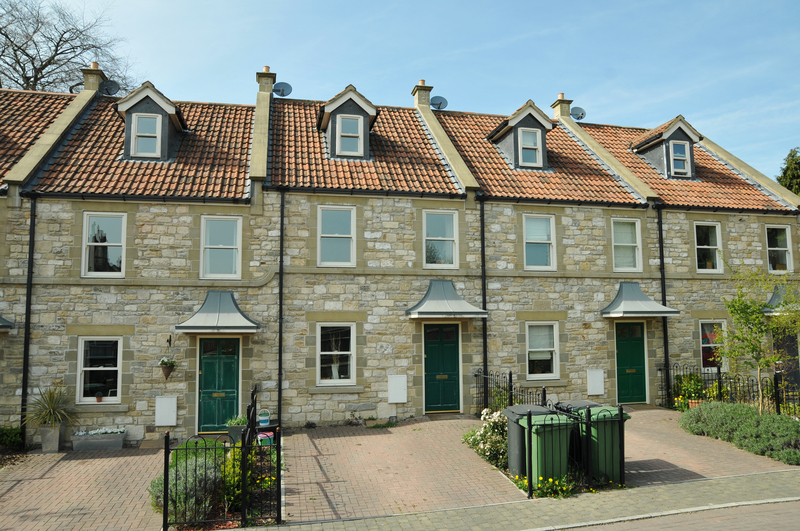
South Kensington is a distinctive part of London. It combines historic architecture with active commercial life, and that creates practical challenges for relocation. Buildings may have narrow hallways, stair-only access, older lifts, shared service entrances, or restrictions on when goods can be moved in and out. Some streets can be busy throughout the day, especially near transport hubs and visitor attractions. Parking can be limited, and loading bays may need to be used within specific windows. All of this means a commercial move has to be coordinated rather than improvised.
For many businesses, the property itself shapes the moving plan. Period conversions can be beautiful but awkward for larger office furniture. Upper-floor premises may require careful lifting and disciplined handling. Retail units and hospitality venues often have tight turnaround times and need stock moved at specific times to avoid affecting trading. Professional practices may also need extra care around confidential records, patient files, or specialist equipment. A local team that regularly works in South Kensington will know how to adapt to those realities without making the move feel rushed or chaotic.
Another reason tailored planning matters is that different commercial customers have different priorities. A start-up office may want a fast, cost-conscious move with basic setup support. A gallery may need crates, wrapping, and careful sequencing. A restaurant may need equipment protection and a clean handover. An agency or consultancy may need desks, monitors, and archive materials arranged so the staff can resume work quickly. No two commercial moves in South Kensington are exactly alike, and the best results come from a service that adapts to the actual premises and the actual business needs.
Who we help in and around South Kensington

Commercial relocation in this part of London covers a wide variety of customers. Some are small businesses moving between offices nearby. Others are established organisations upgrading to a larger, better-suited space. Some are moving within the same street, while others are relocating to nearby districts such as Chelsea, Kensington, Knightsbridge, or Gloucester Road. In many cases, the move is not just about logistics; it is about protecting business continuity and presenting a professional image throughout the process.
Typical commercial customers include:
- Professional offices and consultancies
- Medical, dental, and therapy practices
- Independent retailers and boutique shops
- Hospitality businesses such as cafés, restaurants, and bars
- Galleries, studios, and creative workspaces
- Educational and training spaces
- Small warehouses, stores, and back-of-house facilities
- Charities, membership organisations, and administrative offices
South Kensington’s blend of residential and commercial property is one reason local moving support is so useful. Many businesses operate above or below residential units, within mixed-use buildings, or in streets where neighbours, building managers, and service access all need to be considered. A local team understands how to work respectfully in these settings, helping reduce disruption for everyone involved while keeping the move on schedule.
How a commercial move is usually carried out
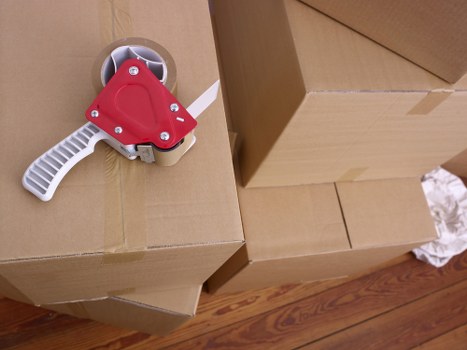
Most business relocations work best when broken into clear stages. That gives you control, helps avoid surprises, and makes it easier to plan around trading hours, staff schedules, and building rules. A good moving process should feel structured from the outset, with clear communication and practical decisions made before the moving day arrives.
1. Initial discussion and planning
The first stage is understanding what is being moved, where it is going, and what conditions apply at each property. That includes access points, parking, lift availability, floor levels, fragile items, and any items that need special packing or handling. It is also the stage where timings are discussed, including whether the move needs to happen early morning, late evening, or at the weekend to minimise disruption.
2. Packing and preparation
Depending on the service agreed, the moving team can help with packing or supply packing materials for your staff to use in advance. Labels, crate numbering, and room allocation can be used to keep the contents organised. This is especially helpful for office moves, where files, tech equipment, and furniture should be placed in a sensible order at the new address.
3. Safe loading and transport
On moving day, items are loaded carefully, with attention to heavy furniture, delicate equipment, and any items requiring protective wrapping. The transport stage should be managed with route awareness, especially in a busy area like South Kensington where access timing can influence the whole day. Using the right vehicle size also matters, because oversized vehicles can make loading more difficult if streets are tight or parking is restricted.
4. Delivery, placement, and reassembly
Once on site, items are placed according to your instructions or labelled plan. Furniture can be reassembled where included, and equipment can be positioned in the correct rooms to save your team time later. A well-run commercial move is not finished when the vehicle arrives; it is finished when your business has what it needs to continue operating comfortably and efficiently.
What makes a local South Kensington moving team useful
Choosing a local company for commercial relocation in South Kensington can make a practical difference at every stage. Local teams are more likely to know the area’s common access issues, typical traffic patterns, and the sort of building layouts found in nearby commercial and mixed-use properties. That can help them anticipate problems before they slow you down.
There is also a communication benefit. When your move involves a tight schedule, it helps if the team understands the local environment and can speak clearly about realistic timings and practical steps. For example, a move close to busy museum streets may need different timing from one on a quieter side street in Chelsea or Kensington. A local mover can adjust the plan rather than relying on a one-size-fits-all approach.
For customers, the main advantages often include better planning, smoother access management, and fewer unexpected delays. It is also reassuring to work with a team that regularly handles office removals, retail moves, and business relocation projects in the same part of London where your premises are based. That familiarity can help make the whole experience feel more grounded and less disruptive.
Useful for many property types
South Kensington includes older commercial buildings, converted townhouses, modern office spaces, and mixed-use units. Each one brings its own moving challenges, and local experience helps the team plan for stairs, narrow entrances, protective flooring, shared corridors, and limited waiting space outside the property.
Preparing your business for moving day
A practical checklist for local customers
Good preparation can save time, protect equipment, and reduce confusion when moving day arrives. Even if you have chosen a full-service commercial moving solution, it is worth spending a little time getting the business ready. That way, your team knows what to pack, what to keep separate, and what needs priority handling.
- Confirm what is moving and what is being left behind.
- Back up important digital files before equipment is disconnected.
- Label boxes clearly by department, room, or priority.
- Set aside confidential documents for secure handling.
- Notify staff about timings, access arrangements, and responsibilities.
- Check parking, lift, and loading requirements for both sites.
- Separate fragile, valuable, or specialist items for extra care.
- Arrange keys, fobs, or access codes in advance where needed.
- Protect important customer-facing areas if the premises stay partially open.
Planning ahead is especially important in South Kensington, where many premises are in buildings with shared access and where move timing may need to work around neighbours, building management, or trading hours. Small steps taken early can prevent unnecessary delays later.
Extra tip for office relocations
If your move includes desks, IT equipment, and filing systems, assign each workstation a number or department label. That makes it much easier to set up the new space quickly and reduces the chance of missing items or misplaced cables.
Pricing factors for commercial moves in South Kensington
Business customers often want to know what affects the cost of a commercial move. While exact pricing depends on the details of the job, the main factors are usually straightforward. Understanding them helps you plan more confidently and compare proposals on a fair basis.
Common pricing factors include:
- The size of the premises and the volume of items being moved
- The number of floors involved at the old and new site
- Whether packing materials and packing labour are included
- How much specialist handling is needed for heavy or fragile items
- Whether furniture dismantling and reassembly are required
- The distance between locations, including moves within South Kensington or nearby areas
- Any access restrictions, parking issues, or time-limited loading requirements
- Whether the move must take place out of hours or on a weekend
- Extra services such as crate hire, temporary storage, or archive relocation
For many local customers, the best value comes from choosing a service that matches the scale of the move rather than paying for unnecessary extras. A smaller office move may only need transport and basic handling, while a larger commercial relocation may benefit from detailed planning, packing support, and coordinated setup. The key is to ask for a quote that reflects your actual requirements, not a generic package.
If you are comparing options, focus on clarity. A strong moving plan should make it clear what is included, what is optional, and what would affect the scope if the move changes. That helps avoid confusion later and allows you to book with confidence.
Specialist handling for different business needs
Not all commercial moves involve the same type of contents. In South Kensington, businesses often have unique items that need more than standard lifting and loading. A thoughtful moving service should be ready for that variety and handle each category appropriately.
Office and administrative moves
Office relocations usually involve desks, chairs, monitors, printers, storage units, files, and archives. The goal is to keep items organised so the workspace can be rebuilt efficiently. Confidential documents should be treated carefully, and IT equipment should be wrapped and transported with extra protection.
Retail and showroom moves
Retail units often include displays, stock, shelving, tills, and fragile presentation items. For these moves, sequencing matters. Stock may need to remain grouped by type, while display items should be protected so they can be used again immediately. Showrooms may also involve high-value items that need careful wrapping and controlled placement.
Hospitality premises
Cafés, restaurants, and bars may need tables, seating, refrigeration units, kitchen equipment, and stock moved safely. Because trading hours are important, these moves often work best outside peak times. Coordination is key, particularly where there are busy service doors or limited loading points.
Healthcare and specialist practices
Medical, dental, and therapy practices need a careful approach, especially where sensitive records, specialist devices, or private treatment areas are involved. Discretion, order, and cleanliness all matter. A local commercial mover should work in a way that supports the professional standards of the practice and reduces the risk of disruption during the transition.
Areas covered around South Kensington
Commercial moves in South Kensington often extend into the surrounding districts, especially when businesses are relocating within Central and West London. Nearby places can present similar access conditions, so a team familiar with this wider area can help keep the move efficient.
- South Kensington itself
- Kensington
- Knightsbridge
- Chelsea
- Gloucester Road
- Earl’s Court
- Brompton
- Fulham, where relevant for larger business moves
- West Kensington and nearby commercial corridors
Because local business moves can involve multiple streets and borough boundaries, it helps to work with a team that understands different property styles and the practical reality of travelling between them. Even a move that looks short on a map can become time-consuming if parking, stairs, or building access are not planned properly. Local awareness reduces that risk.
How to keep downtime to a minimum
Most customers looking for Commercial Moves in South Kensington are trying to solve one central problem: how do we move without losing valuable business time? The answer usually lies in good sequencing, clear communication, and a realistic timetable. A move should be arranged around your operational needs rather than the other way around.
Here are a few ways to reduce downtime:
- Schedule the move outside your busiest trading period if possible
- Prepare clearly labelled boxes and departments in advance
- Move non-essential items first, then core working equipment
- Keep a small set of essentials separate for immediate access
- Coordinate building access, parking, and elevator use early
- Let staff know where important items will be placed in the new premises
Small decisions can make a big difference. For example, if reception needs to open the next morning, prioritising the desk, phone equipment, signage, and key paperwork first is far more useful than unpacking less urgent storage items. A smart move plan keeps business operations in mind at every stage.
Planning for the first day back
It is often worth creating a short list of items that must be ready immediately after the move. This might include phones, internet equipment, payment devices, keys, essential records, opening stock, or staff workstation basics. Having that list in advance helps the moving team place the most important items where they are needed first.
What customers often ask before booking
It is normal to have questions before arranging a commercial relocation. Whether you are moving a small office or a larger business unit, the details matter. Below are some of the questions local customers commonly ask when planning commercial removals in South Kensington.
Can the move be done outside normal business hours?
In many cases, yes. Out-of-hours or weekend moves are often useful for businesses that cannot afford to interrupt the working day. This can be especially valuable for customer-facing spaces, medical practices, and offices that need to be back in use quickly.
What if our premises have limited access?
Limited access is common in South Kensington, so it should be discussed early. Stairs, narrow entrances, loading constraints, and shared corridors can all be managed more effectively when the moving team knows about them before the job starts.
Do we need to pack everything ourselves?
Not necessarily. Some customers prefer a full packing service, while others only want help with transport and heavier items. The right approach depends on your schedule, budget, and the type of contents being moved.
Can you move delicate or high-value items?
Many commercial moves include delicate items such as IT equipment, artwork, display pieces, instruments, specialist tools, or confidential files. These items should always be discussed in advance so the right materials and handling methods can be used.
How far in advance should we book?
That depends on the size and complexity of the move, but earlier is usually better. South Kensington moves often require access coordination and planning around local conditions, so giving yourself more time makes the process smoother.
Why businesses choose a professional move service instead of managing it alone
Some businesses are tempted to manage relocation internally, especially if the move seems small. But once heavy furniture, specialist equipment, building access, and scheduling are considered, the job can become more complicated than expected. A professional move service brings structure, labour, and experience to a task that can otherwise overwhelm staff who already have their normal responsibilities to manage.
That matters in South Kensington because local property conditions can magnify the challenges. A move involving a top-floor office, a basement store room, or a building with restricted loading access is much easier to manage with experienced help. A team that knows how to protect doorways, navigate tight corners, and keep items organised can save time and reduce the risk of accidental damage.
There is also a morale benefit. When staff are not being asked to carry everything themselves, coordinate vehicles, or improvise on the day, the move feels less disruptive. A well-run relocation helps the business stay professional even during change, which is especially important in a prestigious and high-traffic location like South Kensington.
Booking your commercial move
If you are preparing a business relocation, office move, or specialist commercial transfer in South Kensington, the best time to act is before the pressure builds. Early planning gives you more choice over timings, makes access issues easier to solve, and helps you prepare staff and premises in good time.
When you are ready, request a free quote and outline the essentials: the type of business, the premises involved, what needs to be moved, and any access concerns. The more accurate the information, the easier it is to build a practical plan that fits your schedule. If your move is urgent, mention that too, so arrangements can be discussed as efficiently as possible.
Contact us today to discuss your commercial moving needs in South Kensington, and book your service now with a team that understands local businesses, local buildings, and the realities of moving in this part of London. Whether you are moving a compact office, a busy retail unit, or a specialist practice, the aim is the same: a smooth relocation with minimal disruption and a clear path back to business.
Frequently asked questions about Commercial Moves in South Kensington
How do commercial moves differ from house moves?
Commercial moves usually involve more planning around trading hours, equipment, staff access, and business continuity. There may also be more furniture, archives, stock, or specialist items to handle, plus a greater need for efficient setup at the new premises.
Can you help with both small and larger business relocations?
Yes. Commercial relocation can be scaled to suit different types of businesses, from small offices and studios to larger premises with multiple rooms or departments. The service should be tailored to the size and complexity of the move.
What if our building has no easy parking nearby?
That is a common issue in South Kensington, and it is one of the reasons local experience is valuable. The move can be planned around available loading options, time restrictions, and the practical reality of the street layout.
Can furniture be dismantled and reassembled?
In many cases, yes. This is especially useful for desks, shelving, and larger office furniture that cannot be moved safely in one piece. It can also make the loading process more efficient.
Do we need to stop trading during the move?
Not always. Some businesses choose to move outside trading hours or in stages so that operations can continue with limited disruption. The best approach depends on the nature of the business and the layout of both premises.