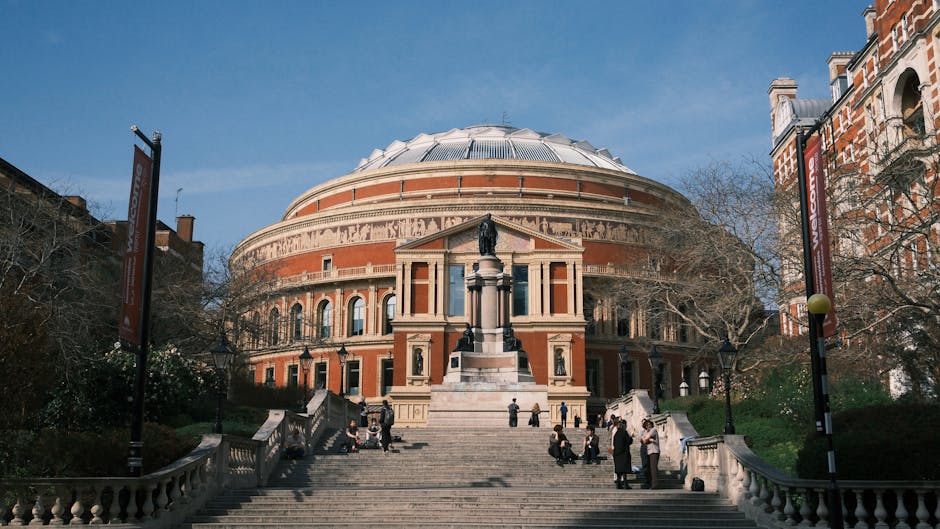
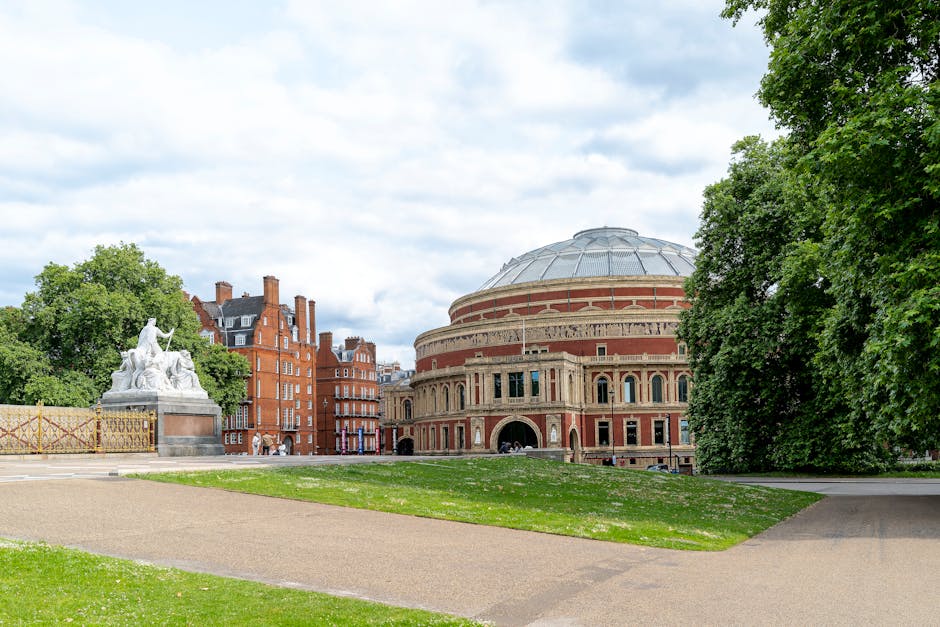
Royal Albert Hall Area Movers for Event Load In and Out: A Practical Guide for Smooth Event Logistics
If you've ever tried to move staging, AV kit, exhibition stands, instruments, florals, stock, or catering gear around Kensington on a deadline, you'll know the feeling: one missed time slot and the whole day starts to wobble. Royal Albert Hall area movers for event load in and out are there to stop that wobble becoming a problem. The job is not just lifting boxes. It's timing, access, route planning, careful handling, and staying calm when the venue schedule is moving faster than you are. Truth be told, in this part of London, that calm matters as much as the van.
This guide breaks down how event load-in and load-out support works near the Royal Albert Hall, who needs it, what to check before booking, and how to reduce stress on the day. If you're arranging a concert, private function, brand activation, corporate event, or a one-off installation, you'll find the practical bits here that usually get overlooked.
Table of Contents
- Why Royal Albert Hall area movers for event load in and out Matters
- How Royal Albert Hall area movers for event load in and out Works
- Key Benefits and Practical Advantages
- Who This Is For and When It Makes Sense
- Step-by-Step Guidance
- Expert Tips for Better Results
- Common Mistakes to Avoid
- Tools, Resources and Recommendations
- Law, Compliance, Standards, or Best Practice
- Options, Methods, or Comparison Table
- Case Study or Real-World Example
- Practical Checklist
- Conclusion
- Frequently Asked Questions
Why Royal Albert Hall area movers for event load in and out Matters
The Royal Albert Hall area is not the kind of place where you can just pull up, unload casually, and hope for the best. It's a busy, high-profile part of South Kensington with tight streets, heavy footfall, venue timings, and the usual London mix of restricted access, impatient traffic, and the occasional road complication that appears for no obvious reason. If your event depends on equipment arriving on time and leaving without drama, local knowledge becomes part of the service, not a nice extra.
Event load-in and load-out is a specialist movement job. It involves delivering items to a venue or nearby location, moving them safely into place, then collecting them again after the event ends. For a concert, that might mean flight cases, instruments, lighting rigs, cables, and wardrobe rails. For a conference, it could be screens, banners, sample tables, signage, and crates of delegate materials. For a private celebration, it may simply be the difference between a smooth evening and a stressed one.
In practice, the value of experienced movers near Royal Albert Hall comes down to three things:
- Timing: event windows are usually narrow, and delays ripple quickly.
- Handling: specialist items need proper lifting, loading, and protection.
- Access: the right vehicle size and local route awareness can save a surprising amount of time.
If you're planning broader logistics alongside the event, it can help to review a trusted local removal services page to understand what support is available beyond the basic van-and-driver setup.
How Royal Albert Hall area movers for event load in and out Works
At a simple level, the process looks straightforward: pick up items, bring them to the venue, unload, then return for collection once the event is over. In reality, there are usually several moving parts. A good event mover will want to know what is being moved, how fragile it is, how much space it takes, whether there are stairs or lifts involved, and what the exact access rules are for the venue or surrounding streets.
Here's the usual sequence.
- Initial planning: you share item details, timings, and access requirements.
- Vehicle selection: the mover chooses a van size that fits the job without creating unnecessary access problems.
- Route and timing check: local traffic, parking restrictions, and venue rules are considered.
- Load-in: items are secured, moved carefully, and delivered to the right drop-off point.
- Positioning: equipment is placed where it needs to be, often with venue staff or production teams.
- Load-out: after the event, items are collected, checked, and transported to storage, another venue, or back to base.
That sounds tidy on paper. On the day, there's often a bit of juggling. A rigging team may still be finishing, someone may be looking for a missing crate label, and the loading bay may be occupied five minutes longer than expected. Good movers are steady in that environment. They do not add noise to the room. They just keep the job moving.
For events that need smaller, flexible support, many organisers also compare a man and van in South Kensington against a fuller event logistics setup. That can be a useful way to keep the service matched to the actual workload.
Key Benefits and Practical Advantages
The main benefit is obvious: fewer headaches. But the better reason to use specialist movers near the Royal Albert Hall is that they reduce the kind of risk that is easy to underestimate. A scratched floor, a damaged instrument case, or a missed load-out window can create knock-on issues that cost more than the moving job itself.
Here are the practical advantages that matter most.
- Better punctuality: local movers understand that event timing is not flexible in the way household removals sometimes are.
- Safer handling: heavy, awkward, or delicate items are less likely to be mishandled when the team is used to event work.
- Less disruption: the right approach keeps corridors, entrances, and shared access points clear.
- Improved coordination: when movers can work alongside venue staff, production crews, and organisers, the whole operation feels calmer.
- Fewer unexpected costs: good planning helps reduce avoidable waiting time, extra trips, and last-minute vehicle changes.
One overlooked advantage is mental bandwidth. Event organisers often have ten things going on at once. If the transport side is handled by people who know the area and the job, you get to focus on the event itself. That alone is worth a lot, especially when the phone is already buzzing before breakfast.
If the event is part of a wider office or business move, it can also be worth looking at office removals in South Kensington to see how moving support can be adapted for business operations.
Who This Is For and When It Makes Sense
This kind of service is useful for anyone whose event depends on punctual, careful transport in and around Kensington and South Kensington. It is especially relevant if your load includes anything awkward, valuable, or time-sensitive.
Typical users include:
- event planners and production teams
- venue managers coordinating multiple suppliers
- musicians and touring crews
- exhibition organisers
- brand activation and experiential marketing teams
- corporate event teams
- private clients hosting larger celebrations
- caterers, florists, and prop suppliers
It makes sense when the job is too important for a casual courier approach, but not so large that you need a full multi-vehicle removals operation. A lot of people sit in that middle ground. They need reliability, but not unnecessary scale. To be fair, that's where many good event moving jobs live.
If your items are also being stored between dates, consider whether storage in South Kensington could help bridge the gap between rehearsal, event day, and breakdown.
Step-by-Step Guidance
Here's a practical way to organise event load in and out near Royal Albert Hall without making it harder than it needs to be.
- List everything that needs moving. Don't just count items. Note weight, fragility, size, and whether anything needs to stay upright.
- Separate critical items from general freight. Labels such as "first in" or "last out" help more than most people expect.
- Confirm venue access early. Ask about loading bays, entrance points, lift use, time windows, and any restrictions on vehicle size or waiting.
- Match the van to the job. Bigger is not always better if access is tight. Sometimes a smaller, more agile vehicle is the smart choice.
- Build a buffer into the schedule. A 15-minute delay in London can feel like a small eternity.
- Protect fragile or valuable items properly. Blankets, straps, cartons, corner protection, and cases are worth doing right.
- Plan the return journey too. Load-out can be slower than load-in because everyone is tired and the venue is usually busier than expected at the end of the night.
- Keep one person in charge of decisions. Too many cooks, as they say, can make a simple unload feel oddly complicated.
If you're not sure what vehicle or service level you need, a local removal van in South Kensington can be a practical starting point for discussing the load, access, and timing.
One small but important tip: photograph the load before it leaves and after it's placed. It's not about mistrust. It's just smart record-keeping, especially with high-value or rented equipment.
Expert Tips for Better Results
After enough event days, a pattern starts to emerge. The jobs that go best are rarely the ones with the fanciest kit. They're the ones where the basics were done properly. That might sound unglamorous, but it works.
1. Label by order of use, not just by content
A box marked "cables" is useful. A box marked "front-of-house cables, first out" is better. The same goes for staging parts, signage, and backline equipment. Small detail, big win.
2. Put fragile items in the safest position, not the handiest one
It's tempting to load by convenience. Resist that urge. What is easiest to stack is not always what is safest to carry. A bit of patience at load-in saves a lot of sighing later.
3. Ask who will actually be on the team
For specialist events, consistency matters. If you've planned with one person and a different crew arrives, you want the handover to be clean. It's a good question to ask. No drama, just clarity.
4. Work with people who understand nearby event traffic
South Kensington and the Royal Albert Hall area can get busy with visitors, service vehicles, and regular city movement. A mover who knows how to navigate the area is usually quicker and less likely to create access issues.
5. Keep your end-of-night contact list short
When the event is over and everyone is a bit tired, you need one or two direct contact numbers, not a long thread full of "who's got the keys?"
If your project needs a more hands-on vehicle solution, you may also want to explore man with a van support in South Kensington for quick, flexible event transport.
Common Mistakes to Avoid
A lot of event loading problems are preventable. Usually, they come from assumptions rather than bad intentions. Someone assumed access would be easier, or that one van would be enough, or that the venue would have more time than it actually did.
- Underestimating access limits: the area may look straightforward on a map, but real-world loading can be tighter than expected.
- Leaving packing too late: rushed packing means damage, confusion, and awkward delays at the point of loading.
- Not separating delicate items: one loose item can damage several others if it is packed carelessly.
- Ignoring return logistics: load-out is part of the job, not an afterthought.
- Choosing the wrong service level: a basic van hire approach can be fine for simple moves, but event work often needs more coordination.
- Failing to brief the crew: if the team doesn't know the plan, they spend valuable minutes asking questions that should have been answered already.
A small but common issue is over-ordering transport. People sometimes book too much vehicle capacity because they are nervous. Fair enough, but extra size does not always help if the street access is awkward. Sometimes a smarter, lighter setup is the better call.
For broader planning, a solid overview of removals in South Kensington can help you compare service styles before settling on a final plan.
Tools, Resources and Recommendations
You do not need a giant toolbox to organise a good event move, but the right basics make everything smoother. A few practical items go a long way.
- Item list or manifest: a written list of what is going, what is coming back, and what should stay together.
- Labels and marker pens: simple, bold, and visible from a distance.
- Protective blankets and wraps: especially useful for furniture, panels, and decorative pieces.
- Ratchet straps or tie-downs: to keep items stable in transit.
- Hand trolleys and dollies: a back-saver for heavy equipment.
- Floor protection: useful where venue surfaces are sensitive or high-end.
- Contact sheet: venue, organiser, supplier, and mover contacts in one place.
Recommendations should be practical, not flashy. For example, if you're dealing with boxed stock, brochures, or packaged event materials, a proper packing plan matters more than people realise. A good starting point is packing and boxes in South Kensington, especially if you need support organising materials before the event day.
Another useful point: if your event goods are part of a longer relocation, a broader local removal companies in South Kensington page can help you see how event logistics fit into a wider moving plan.
Law, Compliance, Standards, or Best Practice
Event logistics near a major venue is not usually about one single law or rulebook. It is more about following the venue's instructions, respecting local access arrangements, and working safely and professionally. In the UK, businesses also have a general duty to manage work safely, which in practical terms means sensible lifting, proper vehicle loading, and avoiding preventable hazards.
Best practice normally includes:
- checking access and parking requirements in advance
- using suitably trained people for heavy or awkward items
- loading vehicles securely so items do not shift in transit
- keeping walkways and entrances clear during the move
- communicating clearly with venue staff and suppliers
- making sure fragile or high-value items are handled appropriately
If the event includes expensive equipment, rented stock, or production kit, it is sensible to confirm who is responsible for packing, loading, transport, and unloading at each stage. That simple conversation prevents a lot of "I thought someone else had it" moments. And those moments, let's face it, are never fun.
Where business continuity is important, some organisers also prefer a partner who understands both event and office movement needs. That is where a service like about us can be useful for understanding the team behind the transport, while contact is the natural next step for checking availability and discussing access details.
Options, Methods, or Comparison Table
Different event jobs need different approaches. The best option depends on volume, timing, access, and how hands-on you want the support to be.
| Option | Best for | Strengths | Watch-outs |
|---|---|---|---|
| Small van and driver | Compact events, light equipment, short runs | Flexible, efficient, often ideal for tight access | Not suitable for larger or heavier loads |
| Man and van support | Moderate loads that need lifting help | Good balance of help, speed, and cost control | May need multiple trips if the load is substantial |
| Removal van with fuller support | Heavier or more organised event loads | Better for structured loading and secure transport | Requires clearer planning and access confirmation |
| Full removals-style service | Large, complex, or multi-item event moves | Most comprehensive handling and coordination | Can be more than you need for small events |
There is no one perfect answer here. A small, efficient setup is often enough for a short brand event. A larger production, though, may need a more complete approach. If you're weighing things up, the service pages for man and van and removal services can help you compare the practical differences without guesswork.
Case Study or Real-World Example
Imagine a mid-sized corporate event near the Royal Albert Hall: a reception area, branded display pieces, several crates of literature, a couple of light furniture items, and a few delicate presentation boards. Nothing extreme, but enough to cause trouble if it is handled badly.
The organiser books support in advance and shares the loading times, a rough list of items, and the route into the venue. The movers arrive early enough to avoid rushing, confirm the drop-off point, and bring the right mix of blankets, straps, and trolleys. The heavier items go in first, fragile boards are kept separate, and the labels make breakdown much easier later. There is still a brief delay because another vehicle is finishing up nearby. That happens. But because the team has built in a bit of time, nobody panics.
After the event, the same crew returns for load-out. This is where the real value shows. Everyone is tired, the venue is noisier, and there is always one item that seems to have moved on its own. Still, because the system was clear from the start, the collection is completed without last-minute searching or damaged kit. The organiser finishes the night exhausted, yes, but relieved rather than frazzled. That matters more than people admit.
Sometimes the real win is simply a boring, successful move. No drama. No phone chasing. No panic. Just done.
Practical Checklist
Use this checklist before your event load in and out near Royal Albert Hall.
- Confirm event date, arrival window, and breakdown time
- List every item to be moved
- Mark fragile, valuable, or priority items
- Check access rules, loading points, and vehicle restrictions
- Decide whether you need a van-only service or extra lifting help
- Prepare protective materials and secure packaging
- Share contact details for the organiser and venue lead
- Build in buffer time for traffic and site delays
- Plan the collection route and post-event storage if needed
- Keep a copy of the inventory for load-out
A quick check before the van arrives can save the whole day. Honestly, it's often the five-minute prep that stops the awkward twenty-minute scramble.
Conclusion
Royal Albert Hall area movers for event load in and out are about more than transport. They are part of the event itself. When the timing is tight, the access is awkward, and the equipment matters, a good local moving team helps everything feel calmer and more controlled. That is the real job. Not just moving things, but keeping the day on track.
If you plan carefully, choose the right service level, and give the crew clear information, you can turn a potentially stressful logistics task into one of the smoothest parts of the event. And that's a lovely feeling, especially when the venue lights are up, the street outside is busy, and everything has landed exactly where it should.
Get a free quote today and see how much you can save.
For a next step, explore the local service pages, check the team background, and get your event details lined up before the clock starts moving. It makes a difference.
Frequently Asked Questions
What do Royal Albert Hall area movers for event load in and out actually do?
They transport event equipment, stock, furniture, staging, or other materials into the venue area, unload them safely, and later collect everything again after the event. The key part is making sure timing, access, and handling all work together.
Why use a local mover instead of a standard courier?
Local movers are usually better for event work because they understand access restrictions, loading windows, and the need for careful handling. A courier may be fine for a single parcel, but event logistics is a different animal.
How far in advance should I book event load in and out support?
As early as you can, especially for busy dates or high-profile event periods. The earlier you book, the easier it is to plan vehicle size, arrival time, and any access issues.
Can one van handle a small event near Royal Albert Hall?
Yes, if the load is compact and well packed. A single van can work well for smaller displays, branded materials, or modest equipment sets. The important thing is matching the vehicle to the actual load, not the guesswork version of it.
What makes load-out more difficult than load-in?
People are usually tired, the venue may be busier, and items are often less neatly arranged after the event. Load-out can also happen late in the day or evening, which makes timing and coordination even more important.
Do I need packing help as well as transport?
If the items are fragile, valuable, or awkwardly shaped, yes, packing help is often worth it. Good packing reduces damage and makes loading faster. It also keeps the van organised, which saves time on both ends.
How do I know what van size I need?
Start with a list of items, their dimensions, and whether any of them are bulky but light. A good mover will help you estimate the right size based on the actual load and access conditions. Bigger is not always the better answer.
Are there special access issues near the Royal Albert Hall?
There can be. The area is busy, and event access often depends on venue instructions, traffic conditions, and nearby road restrictions. That is why local awareness matters so much for this kind of job.
What should I tell the mover before the event?
Share the event schedule, access details, item list, fragile items, loading points, and who the on-site contact will be. The more precise you are, the smoother the move tends to be.
Can movers store items between load-in and load-out?
Sometimes, yes. If your event spans multiple days or needs staged delivery, storage can be useful. It depends on the service provider and the type of items involved.
Is this service suitable for private parties as well as corporate events?
Absolutely. Private celebrations, launches, and receptions often need the same kind of careful transport, just on a different scale. If the event has time pressure and valuable items, professional support makes sense.
How can I reduce the risk of damage during event transport?
Use proper packing, label items clearly, secure everything inside the vehicle, and give the mover a detailed inventory. Small steps like these can make a surprisingly big difference.