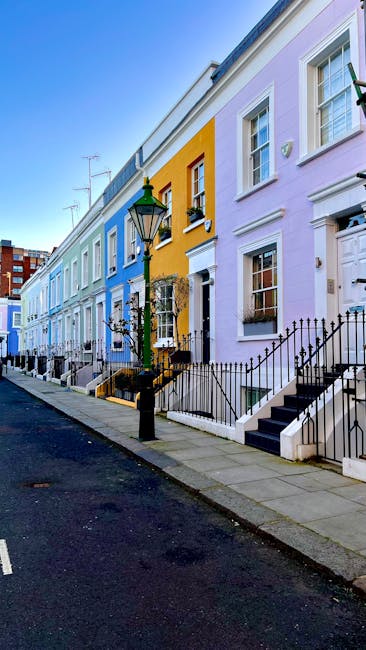
Common Access Problems for Kensington Removals in Mews and Stairs
Kensington moves can look straightforward on paper, then turn a bit tricky the moment you meet a narrow mews street, a steep staircase, or a front door that barely opens wide enough for a box. If you are planning a move in this part of London, understanding the common access problems for Kensington removals in mews and stairs can save time, reduce stress, and help protect both your belongings and the building. Truth be told, access is often the part people underestimate most.
This guide explains what typically goes wrong, why it matters, and how to plan around the usual pinch points. You will also find a practical checklist, a comparison table, and realistic steps you can take before moving day. If you are still comparing options, it may also help to look at removals, flat removals, or even man with a van support for smaller, tighter jobs.
Table of Contents
- Why access problems matter in Kensington removals
- How access challenges usually show up
- Key benefits of planning access properly
- Who this is for and when it makes sense
- Step-by-step guidance for a smoother move
- Expert tips for better results
- Common mistakes to avoid
- Tools, resources and recommendations
- Law, compliance, standards and best practice
- Options, methods and comparison table
- Case study or real-world example
- Practical checklist
- Conclusion
- Frequently asked questions
Why Common Access Problems for Kensington Removals in Mews and Stairs Matters
Kensington has a character all its own: elegant terraces, converted period buildings, mews houses tucked behind main roads, and plenty of older properties with awkward layouts. That character is lovely to live in, but it can make removals more demanding than a typical modern block with a lift and a loading bay. When access is tight, even a well-organised move can slow down fast.
The main issue is not just inconvenience. Access problems can affect the safety of the move, the condition of your furniture, the timing of the schedule, and sometimes the cost too. A sofa that will not clear a stair bend, a van that cannot park close enough, or a courtyard too narrow for easy manoeuvring can all create bottlenecks. And in Kensington, those bottlenecks tend to appear at the worst possible moment, usually when the kettle is packed and someone is standing on the landing asking where the box of chargers went.
It matters because poor access planning can lead to:
- avoidable delays on moving day
- extra carrying distance and heavier manual handling
- greater risk of wall, floor, bannister, and furniture damage
- stress for residents, neighbours, and move teams
- missed booking windows or parking complications
In our experience, the best Kensington moves are not the ones with the least problems. They are the ones where the problems were spotted early and handled calmly.
How Common Access Problems for Kensington Removals in Mews and Stairs Works
Access planning for a Kensington removal usually starts with a simple question: how will items travel from the property to the vehicle, and what obstacles sit in that path? On the surface, that sounds obvious. In reality, every part of the route needs checking, from the doorway to the pavement and from the stairwell to the van loading point.
A mews property may have a narrow lane, limited turning space, restricted waiting room, or neighbours who also need constant access. A staircase may be steep, winding, carpeted, or so compact that two people cannot pass each other comfortably with a wardrobe panel. Sometimes the issue is a combination of both: a difficult street outside and a tight staircase inside. That is where removals become more of a puzzle than a lift-and-load job.
The access process usually involves these practical stages:
- Assess the property layout. Check the number of floors, stair width, turns, head height, door sizes, and the route from rooms to exit.
- Check the street environment. Look for mews restrictions, parking controls, time limits, and any obstacles that could affect van positioning.
- Match the load to the route. Large items may need dismantling, protective wrapping, or a different carry plan.
- Decide where the vehicle can safely stop. A short carry is always better than a long one, but safety and local conditions come first.
- Build a realistic moving sequence. Heavy items, fragile items, and awkward shapes should be loaded in the right order, not shoved in at random because everyone is tired by 2 p.m.
When the access plan is done properly, the move feels a lot more controlled. Not glamorous. Just controlled. Which, on a narrow staircase with a full-size mattress, is pretty much the dream.
Key Benefits and Practical Advantages
Good access planning is not just about avoiding disasters. It creates several useful advantages that show up throughout the move.
- Less handling stress: Fewer unnecessary lifts and turns mean fewer opportunities for knocks or slips.
- Better time control: The team can work to a realistic rhythm instead of improvising every five minutes.
- Safer movement of bulky items: Sofas, beds, mirrors, wardrobes, and appliances are easier to manage when the route is understood in advance.
- Cleaner customer experience: A calm, predictable move feels much less disruptive to you and your neighbours.
- More accurate quoting: Access details help shape a more honest estimate, which is especially useful if you are comparing pricing and quotes.
There is also a psychological benefit, which people do not always mention. Once the access issue is mapped out, the move stops feeling vague. You know what is likely to happen, where the risks are, and what needs to be packed or dismantled. That removes a surprising amount of anxiety.
Who This Is For and When It Makes Sense
This topic is relevant to a fairly wide group. If your property has stairs, shared access, or a mews-style approach, you will probably need to think about it. The same applies if you are moving in or out of a converted townhouse, a top-floor flat, a basement apartment, or a small commercial premises tucked behind a residential street.
It makes particular sense for:
- flat owners and tenants in older Kensington buildings
- households in mews houses with narrow approaches
- people moving bulky furniture or fragile items
- students leaving top-floor accommodation with tight staircases
- small offices or studios in buildings with limited loading access
- anyone wanting to avoid last-minute surprises on moving day
If your move is relatively simple, you might still be fine with a straightforward man and van arrangement. But if you are dealing with several floors, narrow hallways, or items like antiques or pianos, the access conversation needs to happen early. That is where broader support such as house removals, office removals, or piano removals becomes especially relevant.
Step-by-Step Guidance
Here is a practical way to approach access planning without overcomplicating it.
- Walk the route from room to van. Start inside the property and notice every turn, step, and narrow point. If something feels awkward to carry empty-handed, it will feel worse with a wardrobe shelf.
- Measure the awkward bits. Doorways, stair width, landing corners, and ceiling height matter. You do not need to measure the whole building, just the parts that could block larger items.
- List your heavy and awkward items. Sofas, beds, mattresses, desks, washing machines, mirrors, and dining tables usually need more thought than boxes do.
- Decide what should be dismantled. Some furniture is simply easier and safer in parts. This is also the moment to sort tools and fixings into labelled bags.
- Check parking and stopping options. In a mews, the van may need to be positioned further away than you would like. Plan for that rather than hoping for the best.
- Protect floors, walls, and banisters. Especially in period homes, a tight staircase can bruise paintwork quickly. Basic protection goes a long way.
- Sequence the loading order. Put the most awkward items on the plan first, not last.
- Allow buffer time. Tight access almost always takes longer than open access. Even a modest buffer can save a lot of pressure.
A good rule of thumb: if the route feels tight in daylight with no rush, it will feel twice as awkward when a hallway lamp is on and everyone is carrying boxes at once.
Expert Tips for Better Results
These are the small, practical details that make a real difference.
- Use a proper pre-move survey, even if informal. Photos of stairs, landings, front steps, and street access are incredibly useful. A short video walk-through is even better.
- Clear the stairwell before move day. Shoes, umbrellas, bikes, bins, and random storage items can turn a narrow route into a hazard.
- Think about how items turn, not just how they fit. A sofa might clear the width, yet still fail at the bend on the landing. This catches people out all the time.
- Label delicate and awkward boxes clearly. It sounds basic, but when the team is managing a narrow staircase, clear labels save time and reduce mishandling.
- Keep the entry point uncluttered. One small pile of parcels near the door can become a trip hazard when the pace picks up.
- Consider storage if timing is messy. If you are not moving everything in one go, temporary storage can take pressure off a tight access schedule.
And one more thing: do not assume the biggest challenge is the staircase. Sometimes the real issue is the front gate or mews entrance, because that is where the van positioning becomes awkward. Funny how the smallest part of the job can create the biggest headache.
Common Mistakes to Avoid
A lot of removal problems in Kensington are not caused by bad luck. They are caused by missing one or two small but important details.
- Not mentioning access issues until moving day. This is the biggest one. If the crew only discovers the tight stairwell when they arrive, the whole plan changes.
- Forgetting about parking distance. A move can look efficient in theory and become exhausting when the van is parked much further away than expected.
- Leaving furniture assembled when it should be dismantled. Some items are just too awkward to carry intact through mews properties and staircases.
- Ignoring shared access. In a mews or small terrace, neighbours may need space too. Blocking the route can cause avoidable tension.
- Underestimating fragile surfaces. Older stair rails, painted corners, and timber floors can mark easily.
- Packing too heavily. Heavy boxes on stairs are harder to control and more tiring to carry. Better to split weight and keep boxes manageable.
It sounds obvious when written down. In the chaos of moving week, though, obvious things get missed. Happens to the best of us.
Tools, Resources and Recommendations
You do not need a warehouse of special kit, but a few practical tools can make a big difference.
- Measuring tape: useful for checking doorways, landings, and furniture dimensions.
- Phone camera or video: quick way to document stairs, access lanes, and parking points.
- Furniture blankets and covers: help reduce scratches in tight spaces.
- Straps and trolley equipment: useful for moving heavier items safely where access allows.
- Labels and markers: keep dismantled parts and fragile boxes organised.
- Basic packing materials: if you want a cleaner, safer process, packing and boxes support can help get things ready in a more structured way.
If you are moving a full household rather than a couple of items, packing and unpacking services may be worth considering, especially where the stairs are awkward and time is tight. For bigger or mixed moves, a look at removal services or removal companies can help you decide how much support you really need.
Law, Compliance, Standards, or Best Practice
For removals involving mews streets and stairs, the main compliance concerns are usually practical rather than complex. The key areas are safe lifting, reasonable care, access management, and preventing damage or obstruction. In London, parking and stopping restrictions can also matter, so it is wise to check local rules before the move rather than assuming a van can simply pause outside the door.
Good practice usually includes:
- clear communication about access conditions before the job
- safe manual handling for all heavy or awkward items
- careful protection of shared areas and property finishes
- insurance awareness for accidental damage or handling risk
- respect for neighbours, shared hallways, and communal entrances
If you want reassurance around safety and responsibility, it is worth reviewing a provider's insurance and safety information and their health and safety policy. Those pages do not solve access problems by themselves, of course, but they do help you understand how seriously a mover takes risk management. That matters more than people sometimes think.
For business customers, access planning can be even more important because delays affect staff time and building management. In those situations, commercial moves and office relocation services need a bit of extra structure.
Options, Methods, or Comparison Table
Different access situations call for different approaches. Here is a simple comparison to help you think it through.
| Approach | Best for | Strengths | Limitations |
|---|---|---|---|
| Standard removal team | Most household moves with moderate access | Good for full-room and whole-home moving, flexible handling | May need more time if stairs are steep or parking is distant |
| Man and van | Smaller moves, fewer items, lighter loads | Often practical for tight streets and simple jobs | Less suited to very large furniture or complex multi-floor moves |
| Full-service move with packing | Busy households, fragile items, time-sensitive moves | Reduces packing stress and improves loading order | Costs more, though it can save time and hassle overall |
| Move plus storage | Delayed completions, staggered handovers, uncertain timings | Gives breathing space and reduces pressure on access day | Requires extra planning and coordination |
If you are comparing options, think less about the label and more about the route. A small mews entrance with a tight staircase may benefit from a lighter, more agile setup, while a full family move might need more hands and a stronger loading plan. There is no one-size-fits-all answer, which is slightly annoying but true.
Case Study or Real-World Example
Here is a realistic example from a typical Kensington-style move. A family was leaving a two-storey mews house with a narrow entrance, a steep internal staircase, and a long mirror, a large corner sofa, and a bed frame that had never been dismantled since purchase. Nothing dramatic. Just the sort of practical tangle that makes a move run late if nobody thinks ahead.
Before moving day, they walked through the property with the moving team and identified three likely trouble points: the bend on the stairs, the front threshold, and the lack of space to park directly outside. They measured the sofa and bed frame, removed the headboard, wrapped the mirror separately, and left the hallway clear. They also agreed which items would go first so the team was not forced to improvise under pressure.
The result? The move still took proper effort, because stairs are stairs and mews access is never magically generous. But it stayed organised. No damage, no frantic reshuffling, and no last-minute argument about whether the sofa would fit. Most importantly, everyone knew the plan. That calm made the whole day feel easier.
That is the real lesson. Access issues do not need to become move-breaking problems. They just need attention early enough.
Practical Checklist
Use this checklist before moving day.
- Walk the full route from the property to the vehicle.
- Check staircase width, turns, and landings.
- Measure large furniture and bulky appliances.
- Decide what needs dismantling.
- Photograph the mews entrance and parking area.
- Confirm any shared access issues with neighbours or building management.
- Keep hallways, stairs, and exits clear.
- Prepare protective covers for floors, walls, and furniture.
- Pack heavier boxes to a manageable weight.
- Set a realistic time buffer.
- Keep essentials separate so you are not hunting for keys, chargers, or documents on a staircase with a box in your hands.
Quick summary: the tighter the access, the more valuable preparation becomes. A few extra checks before the move can prevent a lot of chaos later.
For a move that feels better organised from the start, it also helps to explore home moves, house removalists, or student removals depending on the type of property and load. If you are clearing unwanted furniture as part of the process, furniture removals and furniture pick up can also be useful.
Conclusion
The common access problems for Kensington removals in mews and stairs are usually predictable: narrow entrances, steep staircases, awkward corners, limited parking, and bulky items that do not enjoy being carried around period buildings. None of that means the move has to become stressful. It just means the plan needs to respect the building, the street, and the route between them.
When you check access early, share clear details, and choose the right moving approach, you give yourself a much better chance of a smooth day. That is especially true in Kensington, where lovely old properties and compact layouts often go hand in hand. A little preparation goes a long way, honestly.
Get a free quote today and see how much you can save.
And if you are still in the planning stage, that is perfectly fine. A thoughtful move is usually a better move, and a calmer one too.
Frequently Asked Questions
What are the most common access problems in Kensington removals?
The most common issues are narrow mews entrances, steep staircases, tight hallways, limited parking, awkward corners, and bulky items that are difficult to turn or carry safely.
Why do mews houses create removal difficulties?
Mews streets are often narrow and compact, with little space for vans to stop close to the property. That can mean longer carrying distances and more careful loading and unloading.
Are stairs always a problem in older Kensington properties?
Not always, but older buildings often have steeper, narrower, or more winding stairs than modern homes. That can make larger furniture and heavy boxes much harder to move.
Should I measure my furniture before the move?
Yes. Measuring large items against doorways, stair turns, and landings is one of the simplest ways to avoid last-minute surprises.
Can a sofa fit through a narrow staircase?
Sometimes, but not always. The issue is often not just width but also the turn on the landing, ceiling height, and how the sofa can be angled during the carry.
What should I do if parking is limited outside my property?
Plan it in advance. Check where the vehicle can safely stop, allow extra time for carrying, and make sure the moving team knows about any restrictions or access limits.
Is dismantling furniture worth it for a stair move?
Usually yes, especially for larger beds, wardrobes, and tables. Dismantling can make items safer to carry and much easier to turn through tight spaces.
Do I need storage if my access is difficult?
Not always, but storage can help if your move is split over more than one day or if access timing is awkward. It can reduce pressure on the day itself.
How far in advance should I mention access problems to the movers?
As early as possible. The more notice the team has, the better they can plan equipment, time, and loading order.
What type of moving service is best for a mews property?
That depends on the size of the move. A smaller job may suit a more agile setup, while a larger household move may need a fuller removal service with more planning around access.
Can access problems increase moving costs?
They can, because difficult access may take longer and require more handling. That said, a good plan often reduces unnecessary cost by preventing delay and damage.
What should I tell the moving company before move day?
Tell them about stairs, parking, entrance width, lifts, large furniture, fragile items, and anything unusual about the route. Photos are very helpful, and a short video is even better.
Where can I find more information about safety and trust?
It is sensible to review the company's safety and insurance details, plus their terms and conditions. Those pages help you understand how they handle risk, responsibilities, and service expectations.